
In the digital age, the battle between SEO and website optimization rages on, with businesses grappling to find the perfect balance between the two elusive strategies. SEO, or search engine optimization, is a complex and ever-changing beast, constantly evolving to keep up with the whims of Google’s algorithm.
Website optimization, on the other hand, focuses on the user experience, making sure that every aspect of a site is fine-tuned for maximum engagement and conversions. So which technique reigns supreme in the realm of online marketing? This article aims to dissect the intricacies of both approaches, delving into the nuances that set them apart and exploring how businesses can leverage each to achieve their digital marketing goals.
Strap in, dear reader, for a wild ride through the tangled web of SEO vs website optimization.

Table of Contents
Introduction to SEO techniques
Website owners can improve their online presence and attract more organic traffic by using on-page and off-page strategies. On-page optimization focuses on keywords, meta tags, and content quality, while off-page tactics involve building backlinks and using social media. Local SEO targets specific areas, while global SEO reaches wider audiences. Staying updated on trends like mobile optimization and voice search is essential for staying competitive.

Mastering these techniques can boost website visibility, search engine rankings, and conversions.
page optimization strategies
Moz, a reputable source in the SEO industry, emphasizes the significance of on-page optimization techniques to improve user experience and attract organic traffic. By implementing relevant keywords, optimizing meta tags, and creating high-quality content, websites can effectively communicate their relevance to search engines and target audiences. According to our comprehensive guide on on-page SEO, page optimization also involves optimizing images, improving site speed, and enhancing internal linking structures for better indexing and ranking.
Furthermore, utilizing schema markup and structured data can further enhance on-page optimization by providing search engines with more contextual information about the content on a website. Our research on the impact of structured data highlights its role in enabling rich snippets and enhancing the visibility of search results, ultimately increasing click-through rates and user engagement. By incorporating schema markup into our on-page SEO strategy, website owners can enhance the relevance and visibility of their content, thereby improving their overall search engine performance and online presence.
Off-page optimization methods
This strategy involves getting quality backlinks from trustworthy websites. This can boost our site’s search engine rankings. By building a strong backlink profile, we show our relevance to search engines and attract more organic traffic. Also, off-page optimization includes activities like social media marketing, influencer partnerships, and guest blogging. These help improve our website’s online presence.

Furthermore, off-page optimization techniques are vital for establishing a good off-site reputation. This involves managing online reviews and citations to build trust with users and search engines. By being active on social media and online communities, we can reach a larger audience. Monitoring competitor backlink profiles helps us stay ahead in the digital landscape. Overall, a comprehensive off-page optimization strategy is key for boosting our website’s visibility and driving sustainable traffic growth.
Local SEO vs. global SEO
SEO involves on-page, off-page, and technical aspects like improving site speed, mobile responsiveness, and structured data markup to enhance user experience and search engine rankings. Content optimization is key, creating high-quality content with targeted keywords to attract organic traffic. Implementing SEO techniques improves online visibility, drives traffic, and boosts conversions.

Staying updated with SEO trends and algorithm changes is crucial for a competitive edge. Monitoring site performance, conducting keyword research, and analyzing competitors can fine-tune SEO techniques. Tools like Google Analytics provide insights into website performance, enabling data-driven decisions for SEO improvement. Businesses can enhance their online presence, attract a targeted audience, and achieve growth by implementing effective SEO techniques.
Current trends in website optimization
Website optimization trends are always changing. Right now, the focus is on being mobile-friendly and compatible with voice search. More and more people are using mobile devices, so it’s important for websites to look good on all screen sizes. Also, it’s becoming more important to optimize for voice search. People are using virtual assistants like Siri and Google Assistant to find information.
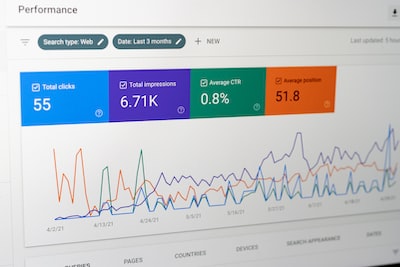
Another important trend is user experience (UX) and page speed. Search engines like sites that are easy to use and load quickly. Making sure your site is easy to navigate and loads fast can help increase user engagement and improve search rankings. By keeping up with these trends and updating your strategies, you can make your website more visible, attract more visitors, and be more successful online.
Maximizing Your Online Presence with Premium Advertising: The Best Digital Marketing Agency in Sydney
Looking to boost your online presence? Look no further than Best Digital Marketing Agency Sydney – Premium Advertising. Their team of experts offers a wide range of services, including logo design, web design, social media marketing, SEO, and Google ads.
Whether you’re a small business looking to increase visibility or a larger company aiming to reach a specific target audience, Premium Advertising has the tools and expertise to help you succeed. With tailored marketing strategies and a focus on brand recognition, they truly are a one-stop shop for all your digital marketing needs.
Don’t waste time and resources trying to navigate the confusing world of SEO on your own. Let the professionals at Premium Advertising take the lead and watch your online presence soar.
Frequently Asked Questions
SEO stands for search engine optimization, which is the process of improving a website’s visibility on search engine results pages (SERPs) in order to increase organic traffic.
Some common website optimization techniques include keyword research, on-page optimization (such as meta tags and content optimization), off-page optimization (such as link building), technical SEO (such as site speed and mobile optimization), and local SEO.
SEO focuses on optimizing a website to improve organic search results, while SEM (search engine marketing) involves paying for ads to appear in search engine results. Both are important for driving traffic to a website.
Some key metrics to track in SEO include organic traffic, keyword rankings, backlink quality, click-through rates, and conversion rates. These metrics help assess the effectiveness of your SEO efforts.
Finishing Up
In a constantly evolving digital landscape, SEO techniques play a crucial role in ensuring that your website is not only seen but also easily accessible to users. By utilizing keyword research, optimizing meta tags, and creating high-quality content, your website can climb the ranks of search engine results pages.
However, navigating the intricate world of SEO can be overwhelming, with algorithms constantly changing and competition becoming fiercer by the day. It is essential for businesses to stay informed and adapt their strategies accordingly in order to stay ahead of the curve.
Remember, SEO is not a one-size-fits-all solution, but rather a dynamic and multifaceted approach to improving your online presence. So, whether you’re a seasoned SEO expert or just dipping your toes into the world of website optimization, embrace the challenge and watch your website reach new heights in the digital realm.